Showing posts with label Bhakti. Show all posts
Showing posts with label Bhakti. Show all posts
Thursday, January 3, 2013

Tuesday, October 23, 2012
HOW TO DECORATE LAKSHMI DEVI ON VARALAKSHMI VRATAM FESTIVAL?
HOW TO DECORATE LAKSHMI DEVI ON VARALAKSHMI VRATAM FESTIVAL?
Here is the video that shows how to decorate lakshmi devi varalakshmi vratam. Click here
Here is the video that shows how to decorate lakshmi devi varalakshmi vratam. Click here
Monday, October 1, 2012
SRI VISHNUSAHASRANAMA STHOTRAM BY SRI SRI SRI TRIDANDI RAMANUJA CHINNA JEEYAR SWAMIJI
SRI VISHNUSAHASRANAMA STHOTRAM BY SRI SRI SRI TRIDANDI RAMANUJA CHINNA JEEYAR SWAMIJI
VIDEO LINK1
VIDEO LINK2
VIDEO LINK1
VIDEO LINK2
MANGALAM JAYA MANGALAM
KRISHNA'S MANGALA HARATI VIDEO LINK
Mangalam jaya mangalam ma nallanaya ku mangalam..
Mangalam jaya mangalam ma Krishna swami ki mangalam.
Siramun nanduna merayu chundadi nemali pinchaku mangalam
Shyamalanguni karamu landoli Madura muraliki mangalam
Mangalam jaya mangalam...
Vanaja gammnu dika rinchadi vadana shobaku mangalam
Karuna rasamunu chindhu chundidi kannu dohiki mangalam
Mangalam jaya mangalam...
Bhramha chepoojinpa badina charana ugaliki mangalam
Jagamulaniyu kana tandragu chakanaiyaku mangalam
Mangalam jaya mangalam...
Gopika gana sevithudu sri govindunaku mangalam
Radhika parivesti tundav raseswarunaku mangalam
Mangalam jaya mangalam...
Mangalam jaya mangalam ma nallanaya ku mangalam..
Mangalam jaya mangalam ma Krishna swami ki mangalam.
Siramun nanduna merayu chundadi nemali pinchaku mangalam
Shyamalanguni karamu landoli Madura muraliki mangalam
Mangalam jaya mangalam...
Vanaja gammnu dika rinchadi vadana shobaku mangalam
Karuna rasamunu chindhu chundidi kannu dohiki mangalam
Mangalam jaya mangalam...
Bhramha chepoojinpa badina charana ugaliki mangalam
Jagamulaniyu kana tandragu chakanaiyaku mangalam
Mangalam jaya mangalam...
Gopika gana sevithudu sri govindunaku mangalam
Radhika parivesti tundav raseswarunaku mangalam
Mangalam jaya mangalam...
LAKSHMI DEVI AARTI (TELUGU)
LAKSHMI DEVI AARTI (TELUGU)
LAKSHMI RAAVE MAA INTIKI VIDEO LINK
LAKSHMI RAVE MA INTIKI KSHEERABDHI PUTHRI
VARA LAKSHMI RAVE MA INTIKI
LAKSMI RAVE MA INTIKI RAJITHAMUKA NELAKUNNA
SUKSHAMUGA MOKSHAMICHU SUNDARI BRINDAVANA DHARI (LAKSHMI)
KUNKUMA PACHA KASTHURI KORIKATHONU GOROJANAMU
JAJIPUVVU JALAJALOCHINI MUDAMUTHONA ARPINTHUMU (LAKSHMI)
CHALLANI GANDHAMU CHANDANAMUTHO SAMBRANI DOOPAMU
MATHANEEKU PREETHIKA PRAKYADHIKA SAMARPINTHUNAMMA (LAKSHMI)
PASUPU AKSHANTHALU PARIMALADHRAVYAMU PANCHA BILVAMULU POORNAKALASAMU
MATHA NEEKU MUDHAMUTHO MEMU CHETHUMAMMA CHAKKANI POOJA (LAKSHMI)
GUNDU MALLE MOGALI PUVVU DHANDIGA CHAMANTHI PUVVU MELAINA PARIJATHAMU
MATHA NEEKU MUDHAMUTHO MEMU CHETHUMAMMA CHAKKANI POOJA (LAKSHMI)
ANDHAMUGA JARI ANCHU CHEERA KUNDHANAMU PACHANI RAVIKA
MOGALIPUVVULA JADANE ALLI JADAKUCHALU KATTEDHAMMA
MATHA NEEKU MUDHAMUTHO MEMU CHETHUMAMMA CHAKKANI POOJA (LAKSHMI)
ANDHAMUGA ADAVI PANDLU KADHALI PANDLU REGI PANDLU MELAINA DHANIMMAPANDLU
GANAMUGA KARPOORA PANDLU PANDU VENNELATHO NEEKU PADMASINI NE POOJIMPA
LAKSHMI RAVE MA INTIKI KSHEERABDHI PUTHRI
VARA LAKSHMI RAVE MA INTIKI.
LAKSHMI RAAVE MAA INTIKI VIDEO LINK
LAKSHMI RAVE MA INTIKI KSHEERABDHI PUTHRI
VARA LAKSHMI RAVE MA INTIKI
LAKSMI RAVE MA INTIKI RAJITHAMUKA NELAKUNNA
SUKSHAMUGA MOKSHAMICHU SUNDARI BRINDAVANA DHARI (LAKSHMI)
KUNKUMA PACHA KASTHURI KORIKATHONU GOROJANAMU
JAJIPUVVU JALAJALOCHINI MUDAMUTHONA ARPINTHUMU (LAKSHMI)
CHALLANI GANDHAMU CHANDANAMUTHO SAMBRANI DOOPAMU
MATHANEEKU PREETHIKA PRAKYADHIKA SAMARPINTHUNAMMA (LAKSHMI)
PASUPU AKSHANTHALU PARIMALADHRAVYAMU PANCHA BILVAMULU POORNAKALASAMU
MATHA NEEKU MUDHAMUTHO MEMU CHETHUMAMMA CHAKKANI POOJA (LAKSHMI)
GUNDU MALLE MOGALI PUVVU DHANDIGA CHAMANTHI PUVVU MELAINA PARIJATHAMU
MATHA NEEKU MUDHAMUTHO MEMU CHETHUMAMMA CHAKKANI POOJA (LAKSHMI)
ANDHAMUGA JARI ANCHU CHEERA KUNDHANAMU PACHANI RAVIKA
MOGALIPUVVULA JADANE ALLI JADAKUCHALU KATTEDHAMMA
MATHA NEEKU MUDHAMUTHO MEMU CHETHUMAMMA CHAKKANI POOJA (LAKSHMI)
ANDHAMUGA ADAVI PANDLU KADHALI PANDLU REGI PANDLU MELAINA DHANIMMAPANDLU
GANAMUGA KARPOORA PANDLU PANDU VENNELATHO NEEKU PADMASINI NE POOJIMPA
LAKSHMI RAVE MA INTIKI KSHEERABDHI PUTHRI
VARA LAKSHMI RAVE MA INTIKI.
SATYANARAYANA SWAMI AARTI SONG FROM MOVIE GRUHAPRAVESAM
SATYANARAYANA SWAMI AARTI SONG FROM MOVIE GRUHAPRAVESAM VIDEO LINK
SATYANARAYANA SWAMI AARTI
SATYANARAYANA SWAMI AARTI AUDIO AND VIDEO LINK
Jai Lakshmi Ramana, Swami Jai Lashmi Ramana, Satyanarayan Swami, Jan Patak Harana, Jai Lakshmi Ramana
Ratan Ja Rat Singhasan, Adhbut Chabee Rajey Narad Kahat Niranjan, Ghanta dhun bhajey Jai Lakshmi Ramana.............
Praghat Bhaye Kali Karan, Dwaj Ko Daras Diya Budha Brahman Bankey, Kanchan Mahal Kiya Jai Lakshmi Ramana.............
Durbal Bhil Kathier, Jan Par Kripa Karey Chandra Choor Ik Raja, Jinaki Vipat Hare Jai Lakshmi Ramana.............
Vayesh Manorath Payo, Shradha Uj Dini So Fal Bhogyo Prabhji, Fer Ustati Kini Jai Lakshmi Ramana.............
Bhav Bhagti Ke Karan, Chhin Chhin Roop Dharya Sharda Dharan Kini, Tin Ka Karj Sarya Jai Lakshmi Ramana.............
Gwal Bal Sang Raja, Ban Mein Bhagti Karey Man Vanchit Fal Dino, Deen Dayal Harey Jai Lakshmi Ramana.............
Charhat Prasad Sawayo, Kadali Fal Mewa Doop Dheep Tulsi Se, Raje Sat Deva Jai Lakshmi Ramana.............
Shri Satya Narayan Ji Ki Aarti jo koi gaavey Kahat Shianand Swami Man Van Chit Fal Paavey Jai Lakshmi Ramana...........
Jai Lakshmi Ramana, Swami Jai Lashmi Ramana, Satyanarayan Swami, Jan Patak Harana, Jai Lakshmi Ramana
Ratan Ja Rat Singhasan, Adhbut Chabee Rajey Narad Kahat Niranjan, Ghanta dhun bhajey Jai Lakshmi Ramana.............
Praghat Bhaye Kali Karan, Dwaj Ko Daras Diya Budha Brahman Bankey, Kanchan Mahal Kiya Jai Lakshmi Ramana.............
Durbal Bhil Kathier, Jan Par Kripa Karey Chandra Choor Ik Raja, Jinaki Vipat Hare Jai Lakshmi Ramana.............
Vayesh Manorath Payo, Shradha Uj Dini So Fal Bhogyo Prabhji, Fer Ustati Kini Jai Lakshmi Ramana.............
Bhav Bhagti Ke Karan, Chhin Chhin Roop Dharya Sharda Dharan Kini, Tin Ka Karj Sarya Jai Lakshmi Ramana.............
Gwal Bal Sang Raja, Ban Mein Bhagti Karey Man Vanchit Fal Dino, Deen Dayal Harey Jai Lakshmi Ramana.............
Charhat Prasad Sawayo, Kadali Fal Mewa Doop Dheep Tulsi Se, Raje Sat Deva Jai Lakshmi Ramana.............
Shri Satya Narayan Ji Ki Aarti jo koi gaavey Kahat Shianand Swami Man Van Chit Fal Paavey Jai Lakshmi Ramana...........
Friday, September 21, 2012
Friday, June 29, 2012
SRI VISHNU SAHASRANAMAM WITH MEANINGFUL PICTURES IN THIS VIDEO
- Sri Vishnu Sahasranamam With Pictures Video link.
Friday, April 27, 2012
BHAKTI KNOWLEDGE
- Panchaamrutamulu - పంచామృతములు - Water, Milk, Curd, Honey, Ghee
- Shadchakravartulu - షడ్చాక్రవర్తులు - Harischandrudu, Naludu, Purukutsudu, Purooravudu, Sagarudu, Kaarta, Veeryaarjunudu
- Sapta maha rushulu - సప్త మహా ఋషులు - Kasyapudu, Atri, Bharadwajudu, Vishwamitrudu, Gowthamudu, Vasistudu, Jamadagni
- Nava dhanyamulu - నవ ధాన్యములు - Vadlu, Minumulu, Anumulu, Ulavalu, Nuvvulu, Kandulu, Pesalu, Godhumalu, Senagalu
- Sapta Samudramulu - సప్త సముద్రములు - Lavana Samudramu, Ikshu Samudramu, Sura Samudramu, Sarpi Samudramu, Dadhi Samudramu, Ksheera Samudramu, Jala Samudramu
Friday, March 16, 2012
SRI MAHALAKSHMI SUPRABHATAM AND SAHASRANAMAMA
- Sri Mahalaxmi Suprabhatam and Sahasranamam - Click here
Wednesday, March 14, 2012
WHY VISIT TEMPLES ? (SCIENTIFIC REASON)

(I got this inforamtion in a chain mail..so thought of sharing with others)
Now, these temples are located strategically at a place where the positive energy is abundantly available from the magnetic and electric wave distributions of north/south pole thrust. The main idol is placed in the core center of the temple, known as "*Garbhagriha*" or *Moolasthanam*. In fact, the temple structure is built after the idol has been placed. This *Moolasthanam* is where earth’s magnetic waves are found to be maximum. We know that there are some copper plates, inscribed with Vedic scripts, buried beneath the Main Idol. What are they really? No, they are not God’s / priests’ flash cards when they forget the *shlokas*. The copper plate absorbs earth’s magnetic waves and radiates it to the surroundings. Thus a person regularly visiting a temple and walking clockwise around the Main Idol receives the beamed magnetic waves and his body absorbs it. This is a very slow process and a regular visit will let him absorb more of this positive energy. Scientifically, it is the positive energy that we all require to have a healthy life.
Further, the Sanctum is closed on three sides. This increases the effect of all energies. The lamp that is lit radiates heat energy and also provides light inside the sanctum to the priests or *poojaris* performing the pooja. The ringing of the bells and the chanting of prayers takes a worshipper into trance, thus not letting his mind waver. When done in groups, this helps people forget personal problems for a while and relieve their stress. The fragrance from the flowers, the burning of camphor give out the chemical energy further aiding in a different good aura. The effect of all these energies is supplemented by the positive energy from the idol, the copper plates and utensils in the *Moolasthan*am / *Garbagraham*. *Theertham*, the “holy” water used during the pooja to wash the idol is not plain water cleaning the dust off an idol. It is a concoction of Cardamom,*Karpura* (Benzoin), zaffron / saffron, *Tulsi* (Holy Basil), Clove, etc...Washing the idol is to charge the water with the magnetic radiations thus increasing its medicinal values. Three spoons of this holy water is distributed to devotees. Again, this water is mainly a source of magneto-therapy. Besides, the clove essence protects one from tooth decay, the saffron & *Tulsi* leafs protects one from common cold and cough, cardamom and *Pachha Karpuram* (benzoin), act as mouth fresheners. It is proved that *Theertham* is a very good blood purifier, as it is highly energized. Hence it is given as *prasadam* to the devotees. This way, one can claim to remain healthy by regularly visiting the Temples. This is why our elders used to suggest us to offer prayers at the temple so that you will be cured of many ailments. They were not always superstitious. Yes, in a few cases they did go overboard when due to ignorance they hoped many serious diseases could be cured at temples by deities. When people go to a temple for the *Deepaaraadhana*, and when the doors open up, the positive energy gushes out onto the persons who are there. The water that is sprinkled onto the assemblages passes on the energy to all. This also explains why men are not allowed to wear shirts at a few temples and women are requested to wear more ornaments during temple visits. It is through these jewels (metal) that positive energy is absorbed by the women. Also, it is a practice to leave newly purchased jewels at an idol’s feet and then wear them with the idol’s blessings. This act is now justified after reading this article. This act of “seeking divine blessings” before using any new article, like books or pens or automobiles may have stemmed from this through mere observation.
Energy lost in a day’s work is regained through a temple visit and one is refreshed slightly. The positive energy that is spread out in the entire temple and especially around where the main idol is placed, are simply absorbed by one's body and mind. Did you know, every Vaishnava(Vishnu devotees), “must” visit a Vishnu temple twice every day in their location. Our practices are NOT some hard and fast rules framed by 1 man and his followers or God’s words in somebody’s dreams. All the rituals, all the practices are, in reality, well researched, studied and scientifically backed thesis which form the ways of nature to lead a good healthy life.
The scientific and research part of the practices are well camouflaged as “elder’s instructions” or “granny’s teaching’s” which should be obeyed as a mark of respect so as to once again, avoid stress to the mediocre brains.
Monday, March 12, 2012
Wednesday, February 1, 2012
SRAVANA SHUKRAVARA KAHTA
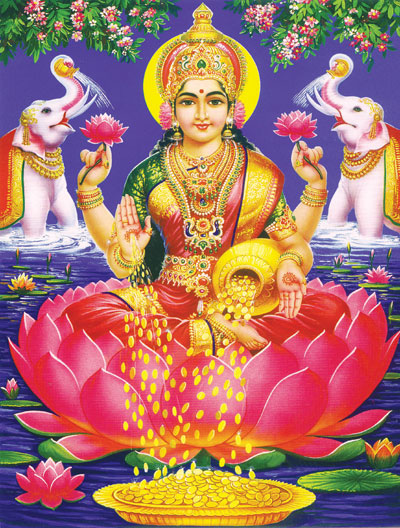
- Sravana shukravara katha video link
- Mangala harathi - Ghallu ghalluna video link
Sunday, January 22, 2012
Saturday, January 7, 2012
DHANWANTARI MANTRAS FOR GOOD HEALTH
Lord Dhanwantari is an incarnation of Lord Vishnu. Dhanvantari is said to be the God of Ayurvedic medicine and physician of the Gods. Lord Dhanvantari is worshiped by devotees to seek his blessings and for sound health. Lord Dhanwantari is portrayed as “Chatur Bahu” Vishnu (with four hands), holding medical herbs in one hand and a pot containing rejuvenating nectar called amrita in another.
Dhanvantari Mantra :
Om Namo Bhagavathe
Maha Sudharshanaya
Vasudevaya Dhanvantaraye;
Amrutha Kalasa Hasthaaya
Sarva Bhaya Vinashanaya
Sarva Roga Nivaranaya
Thri Lokaya Pathaye
Thri Lokaya Nithaye
Sri Maha Vishnu Swarupaya
Sri Dhanvantri Swarupaya
Sri Sri Sri Aoushadha Chakra Narayanaya Namaha
Meaning of Dhanvantari Mantra
We pray to the God, who is known as Sudarshana Vasudeva Dhanvantari. He holds the Kalasham full of nectar of immortality. Lord Dhanvantri removes all fears and removes all diseases. He is the well wisher and the preserver of the three worlds. Dhanvantari is like Lord Vishnu, empowered to heal the Jiva souls. We bow to the Lord of Ayurveda.
Short (Eka Sloka) Dhanvantari Mantras :
1) Namani Dhanwanthary Aadi Devam , Surasura Vanditham Pada Padmam, Loke Jara Rugbhay Mrityu Nashakam , Datharam Eesham
Vividhaushadhinam
Meaning :- “O Lord Dhanvantary, I bestow before you.Your Lotus feet is worshiped both by the Sur[Good people] / Asur [Demons or Bad people]. You have the power to keep away people of this world from Miseries, diseases, ailments, Oldness, fear of diseases. O God, give me your blessings and medicines to cure the sick humanity.
2) “Shankham chakramuparyadhashcha karyordivyaushidham dakshine,Vamenanyakaren sambhratsudhakumbham jalaukavalim”
3) “Achyuthananda Govinda Vishno Narayanamrith Roganme Nashay Asheshanashu Dhanwantharaye Hare”
4) Vishnoh Krishna Janardhana Achyutham Hare Narayana Shree Pathe, Vaikunda Mrutham Kashavam Mukundananda Damodaram , Shaure Madhavam Padmanabha Bhagavan Govinda Dhanwanthare , Roganme Nithyam Nivaryathu Te Namamratham Sampratam.
List of Dhanvantari Temples in South India:
1.Dhanwantari Temple – At Ranganathaswamy Temple , Srirangam ,Tamil Nadu.
2.Sri Dhanwantari Temple – Located at Arya Vaidya Pharmacy Campus (Arya Vaidya Chikitsalayam and Research Institute),Coimbatore ,Tamilnadu
3.Lord Dhanvantari Temple , Nelluva – Located at about 20 km from Guruvayur,Thrissur,Kerala.
4.Sree Rudra Dhanwanthari Temple – Situated at Pulamanthole, Malappuram,Kerala
5.Sree Dhanwantari Temple – At Peringavu ,Thrissur , Kerala
6.Dhanwantari Temple – Erumapetty, Vadakkanchery ,Thrissur , Kerala
7.Dhanvantri Kshetram (temple) – Situated at the outskirts of Calicut, Kerala
8.Dhanvantari Temple – Kannur (Cannanore) , Kerala
There are no major permanent temples dedicated to Lord Dhanwantari in North India.
Chant these mantras 8,16,64 or 108 times based on your time availability.Use these mantras when you are requested to pray for any one who is sick or ill.
Dhanvantari Mantra :
Om Namo Bhagavathe
Maha Sudharshanaya
Vasudevaya Dhanvantaraye;
Amrutha Kalasa Hasthaaya
Sarva Bhaya Vinashanaya
Sarva Roga Nivaranaya
Thri Lokaya Pathaye
Thri Lokaya Nithaye
Sri Maha Vishnu Swarupaya
Sri Dhanvantri Swarupaya
Sri Sri Sri Aoushadha Chakra Narayanaya Namaha
Meaning of Dhanvantari Mantra
We pray to the God, who is known as Sudarshana Vasudeva Dhanvantari. He holds the Kalasham full of nectar of immortality. Lord Dhanvantri removes all fears and removes all diseases. He is the well wisher and the preserver of the three worlds. Dhanvantari is like Lord Vishnu, empowered to heal the Jiva souls. We bow to the Lord of Ayurveda.
Short (Eka Sloka) Dhanvantari Mantras :
1) Namani Dhanwanthary Aadi Devam , Surasura Vanditham Pada Padmam, Loke Jara Rugbhay Mrityu Nashakam , Datharam Eesham
Vividhaushadhinam
Meaning :- “O Lord Dhanvantary, I bestow before you.Your Lotus feet is worshiped both by the Sur[Good people] / Asur [Demons or Bad people]. You have the power to keep away people of this world from Miseries, diseases, ailments, Oldness, fear of diseases. O God, give me your blessings and medicines to cure the sick humanity.
2) “Shankham chakramuparyadhashcha karyordivyaushidham dakshine,Vamenanyakaren sambhratsudhakumbham jalaukavalim”
3) “Achyuthananda Govinda Vishno Narayanamrith Roganme Nashay Asheshanashu Dhanwantharaye Hare”
4) Vishnoh Krishna Janardhana Achyutham Hare Narayana Shree Pathe, Vaikunda Mrutham Kashavam Mukundananda Damodaram , Shaure Madhavam Padmanabha Bhagavan Govinda Dhanwanthare , Roganme Nithyam Nivaryathu Te Namamratham Sampratam.
List of Dhanvantari Temples in South India:
1.Dhanwantari Temple – At Ranganathaswamy Temple , Srirangam ,Tamil Nadu.
2.Sri Dhanwantari Temple – Located at Arya Vaidya Pharmacy Campus (Arya Vaidya Chikitsalayam and Research Institute),Coimbatore ,Tamilnadu
3.Lord Dhanvantari Temple , Nelluva – Located at about 20 km from Guruvayur,Thrissur,Kerala.
4.Sree Rudra Dhanwanthari Temple – Situated at Pulamanthole, Malappuram,Kerala
5.Sree Dhanwantari Temple – At Peringavu ,Thrissur , Kerala
6.Dhanwantari Temple – Erumapetty, Vadakkanchery ,Thrissur , Kerala
7.Dhanvantri Kshetram (temple) – Situated at the outskirts of Calicut, Kerala
8.Dhanvantari Temple – Kannur (Cannanore) , Kerala
There are no major permanent temples dedicated to Lord Dhanwantari in North India.
Chant these mantras 8,16,64 or 108 times based on your time availability.Use these mantras when you are requested to pray for any one who is sick or ill.
Friday, January 6, 2012
SLOKAS FOR GOOD RELATION OF HUSBAND AND WIFE
Sloka for good relation of husband and wife
Sri Raajyalakshmi sameda
sri mattapalli Lakshmi Narasimha parabrahmane namaha
Subscribe to:
Posts (Atom)

POPULAR THIS WEEK


Subscribe To


 Posts
All Comments
Posts
All Comments